Medical Expertise at Luxe Aesthetic Surgery
Luxe Aesthetic Surgery & Medical Spa is led by Haimesh Shah, MD, RPVI , a physician specializing in cosmetic surgery, body contouring, laser procedures, and venous medicine. Dr. Shah is a Diplomate of the American Board of Laser Surgery, American Board of Venous & Lymphatic Medicine, American Board of Wound Management, and American Board of Internal Medicine. He also holds the Registered Physician in Vascular Interpretation (RPVI) credential and has contributed to peer-reviewed medical research.
You notice it in photographs first. Your eyes look tired even after a full night's sleep, the jawline seems less defined, or the skin around the neck no longer matches the sharper features you remember. Yet the goal usually isn't to look different. Most men want to look rested, capable, and like themselves, without an obviously treated appearance.
That's the central challenge of facial rejuvenation for men. Effective treatment must reduce the signs of aging while preserving the facial structure that makes the face recognizably masculine. The right plan may involve skincare, injectables, skin tightening, eyelid surgery, a facelift, or no procedure at all. The decision should come from anatomy, skin quality, muscle movement, and your tolerance for downtime, not from a generic menu of treatments.
Table of Contents
- Why Male Facial Aging Requires a Different Approach
- Anatomical Differences That Change Treatment Planning
- Injectable Strategies for Preserving Masculine Features
- Minimally Invasive Skin Tightening and Contouring
- Surgical Options for Structural and Eyelid Rejuvenation
- Navigating Stigma and Evaluating Personal Readiness
- What to Expect During a Consultation at Luxe Aesthetic Surgery
Why Male Facial Aging Requires a Different Approach
A man may come in concerned about one specific change, such as a heavy brow or deepening folds beside the mouth. During the examination, the actual issue may be broader: brow descent has made the upper eyelids look heavier, midface volume has shifted, and early laxity has softened the jawline. Smoothing every visible line would miss the structural problem and could produce a face that looks flatter, rounder, or less expressive.
Men and women can share the same aging concerns, but their aesthetic priorities often differ. A man may want colleagues to see that he looks well-rested without being able to identify why. That usually requires preserving brow position, cheek restraint, chin projection, and a firm lower-face contour, rather than lifting or filling every area that appears hollow.
The global data support a sustained role for men in aesthetic care. A 14-year analysis of international procedure data from 2010 through 2023 found that men represented approximately 14.5% of aesthetic procedures in the latest survey, with their share remaining broadly stable at around 14% in recent years. The analysis identified botulinum toxin and hyaluronic-acid treatments as the most popular nonsurgical procedures among men, followed by hair removal, nonsurgical skin tightening, and nonsurgical fat reduction. The published analysis of international aesthetic-procedure data also found that eyelid surgery was among the leading surgical procedures for male patients.
What natural rejuvenation should accomplish
A successful plan doesn't erase every crease. It improves the relationship between the upper, middle, and lower thirds of the face.
- The eyes should look less fatigued, not surprised or unnaturally open.
- The forehead should move naturally, with reduced strain rather than a frozen expression.
- The cheeks should retain restraint, especially when the face is naturally broad or angular.
- The chin and jawline should remain proportionate, rather than becoming excessively projected or widened.
- The neck should look firmer, without creating a tight, operated appearance.
Skincare still matters, particularly for sun exposure, dryness, uneven texture, and gradual loss of skin quality. A consistent routine for mature skin can complement procedures and help you decide whether your concern is primarily surface-related or structural. For practical guidance on products and routines, skincare for mature skin is a useful starting resource.
The best male facial rejuvenation plan is therefore anatomy-first. It asks what has changed, what should remain, and how much correction is enough.
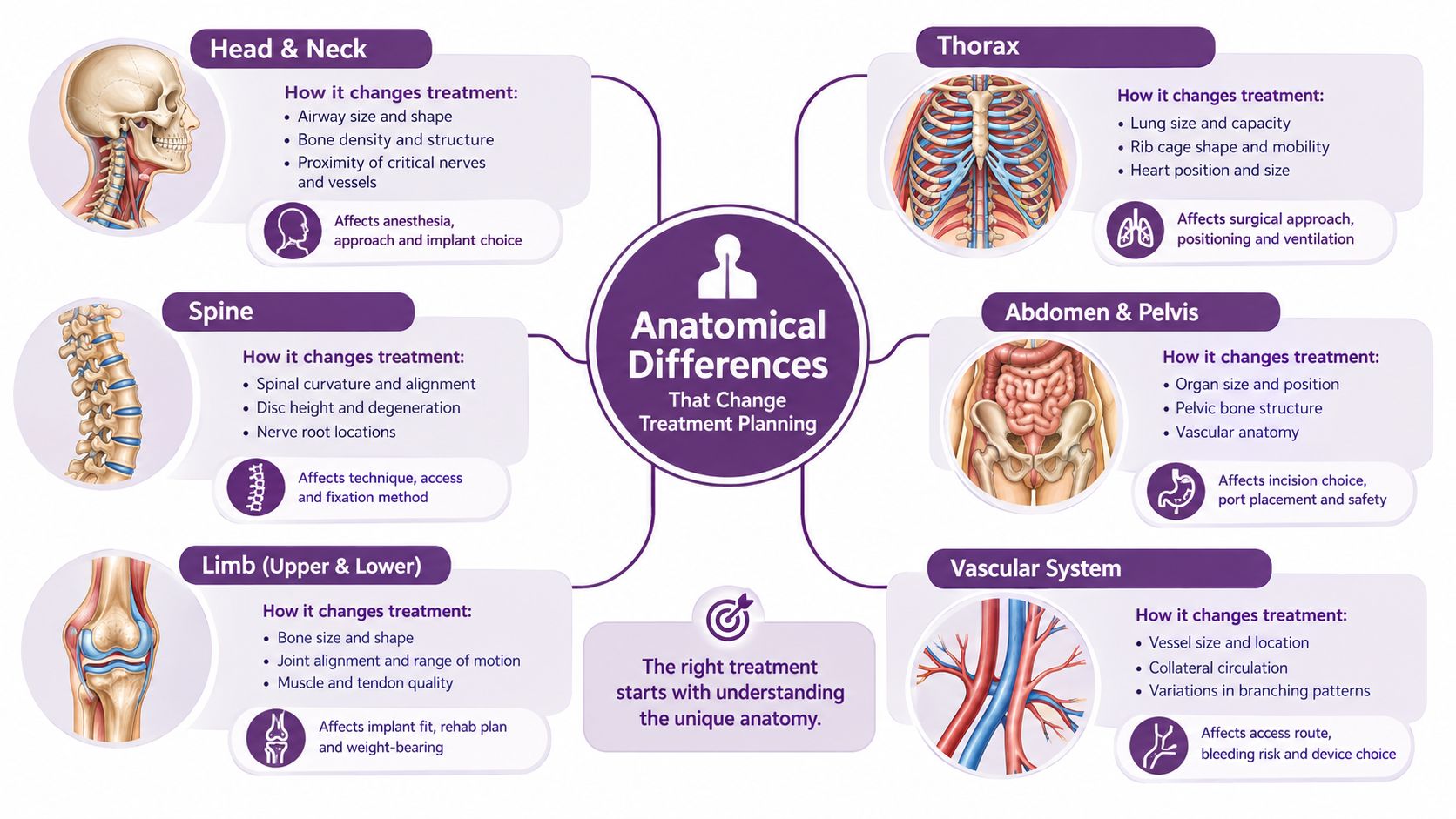
Anatomical Differences That Change Treatment Planning
Male facial treatment can't be reduced to using a different dose on the same map. Men generally have greater facial muscle mass, thicker skin, stronger mandibular and chin projection, and different aesthetic priorities than women. Those differences affect how a clinician evaluates movement, volume, skin laxity, and the direction of correction.
Muscle, skin, and expression
Stronger mimetic muscles can create deeper glabellar lines, forehead activity, and lateral eye wrinkles. They may also require individualized neuromodulator dosing. A dose that adequately softens movement in one patient may be excessive in another, while undertreatment can leave the patient dissatisfied. The objective is controlled reduction of muscle activity while preserving brow position and recognizable expression.
Thicker skin and different collagen characteristics can also change the response to energy-based treatments. Settings and treatment intervals should be selected for the individual, not copied from a female protocol. Skin thickness alone doesn't determine the treatment, because laxity, sun damage, subcutaneous tissue, and healing response also matter.
Why the lower third often carries the plan
The male lower face commonly depends on a broader, more angular relationship between the chin, prejowl sulcus, and mandibular border. Aging can reduce definition through soft-tissue descent, volume loss, skin laxity, or submental fullness. Treating only a fold beside the mouth may leave the underlying imbalance untouched.
A retrospective multicenter analysis of 40 men with a mean age of 40.9 years evaluated high-viscosity hyaluronic-acid filler in the lower third. The mean injected volume was 7.8 ± 1.2 mL, with a treatment range of 5 to 10 mL, and the mean FACE-Q satisfaction-with-outcome score was 88.1 ± 10.3. The published lower-face analysis supports the feasibility of restoring jawline and chin definition without feminizing proportions, but its retrospective design and small cohort mean those figures shouldn't be treated as universal dosing targets.
The practical lesson is more important than the volume. Before choosing a filler, the clinician should assess:
- Chin projection, including whether the chin is recessed or already prominent.
- Prejowl hollowing, which can interrupt the mandibular line.
- Mandibular border definition, including the effect of soft-tissue descent.
- Skin laxity and tissue thickness, which determine whether filler can create useful structure.
- Baseline asymmetry, so correction doesn't create a new imbalance.
Practical rule: A sharper male lower face usually comes from restoring proportion, not simply adding more product.
Injectable Strategies for Preserving Masculine Features
Injectables are often a reasonable starting point because they can address movement, volume, and contour without surgery. They also demand restraint. A technically correct injection can still produce an unnatural result if it ignores the patient's brow shape, cheek width, chin projection, or preferred level of expression.
Neuromodulators require calibrated movement reduction
The glabella, forehead, and lateral canthal region should be assessed together. Stronger male musculature may require individualized dosing, but the aim isn't to eliminate every movement. Excessive forehead treatment can alter brow position, while aggressive treatment around the eyes can make the expression look unusually smooth or unfamiliar.
A practical sequence is:
- Observe the face at rest and in motion. Ask the patient to raise the brows, frown, squint, and smile.
- Identify the dominant muscle pattern. A heavy glabella, compensatory forehead activity, or lateral eye lines may each require a different balance.
- Treat the source of the expression line carefully. Reducing one muscle without accounting for its opposing muscles can change the brow or eyelid relationship.
- Reassess before adding more. The first treatment should establish balance, not chase complete immobility.
The clinical review of male injectable treatment emphasizes that anatomy can change dosage, injection technique, adverse-event considerations, and the desired endpoint. This review of male facial anatomy and injectable rejuvenation supports combining neuromodulation with structural filler when both dynamic lines and volume loss contribute to aging, while staging treatment so balance can be assessed after each intervention.
Fillers should reinforce structure, not create bulk
For male patients, filler often works best when it supports the chin, prejowl sulcus, mandibular border, or selected areas of volume loss. High-viscosity products may be useful in structural zones, but placement, depth, projection vector, and volume matter more than the product label alone. Midface correction should be conservative because excessive cheek volume can widen the face or soften a naturally angular appearance.
A consultation should document prior filler, vascular risk factors, skin thickness, beard distribution, asymmetry, and the patient's preferred degree of visible change. Product selection and needle-versus-cannula technique should follow that assessment. Treatment in areas such as the temples, cheeks, tear troughs, jawline, and chin requires particular attention to vascular anatomy.
You can review the practice's facial injectable options through Luxe's fillers and injectables service, where treatment planning should still be individualized to your anatomy and goals.
The FDA identifies accidental injection into a blood vessel as the most serious dermal-filler risk. It can cause skin necrosis, vision impairment or blindness, stroke, or damage to underlying facial structures, although these complications are uncommon. The FDA's guidance on dermal-filler risks and precautions also notes that swelling and bruising are common short-term effects, while delayed reactions can occur later.
Safety matters more than speed. Conservative staging, appropriate anatomy, informed consent, and an emergency-response plan are part of the treatment, not administrative details.
Minimally Invasive Skin Tightening and Contouring
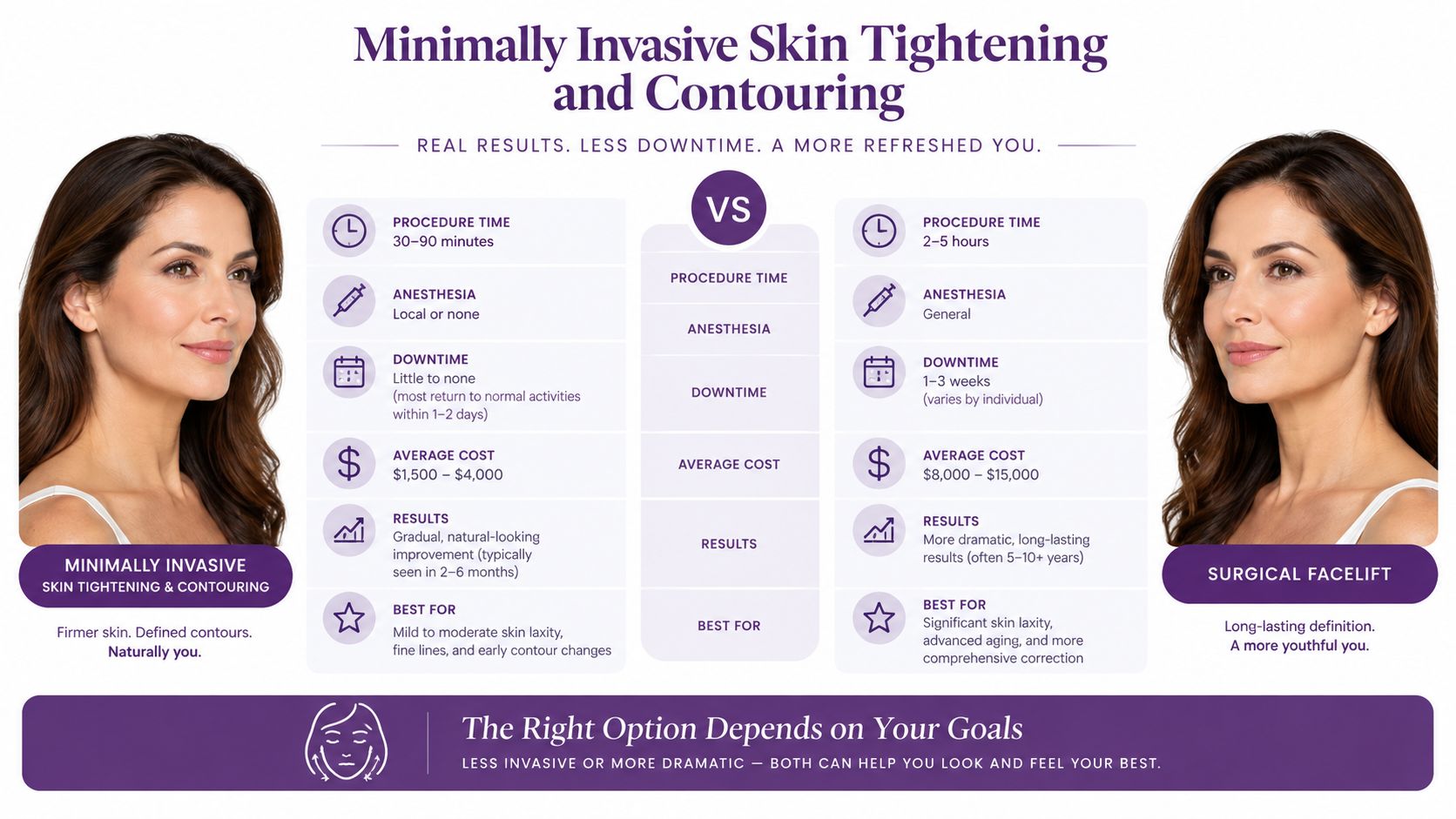
Men with early laxity, rough texture, sun damage, or submental fullness often want improvement without committing to surgery. Energy-based treatments and other minimally invasive options can occupy that middle ground, but they don't produce the same correction as removing excess skin and repositioning deeper tissues.
Match the technology to the problem
Radiofrequency-based treatments can deliver controlled thermal energy to stimulate tissue remodeling and improve the appearance of mild laxity. Microneedling with PRP focuses more on skin texture and collagen response than on lifting a heavy jawline. Ultrasound-based tightening may be considered when the treatment target lies deeper, although candidacy depends on tissue thickness, laxity, and the device protocol.
Male skin may be thicker and more collagen-dense, so treatment settings should be individualized. More energy isn't automatically better. Excessive treatment can increase discomfort or create unwanted inflammation without solving substantial laxity.
| Concern | What minimally invasive treatment may help | Where it reaches its limit |
|---|---|---|
| Uneven texture or mild lines | Microneedling, with or without regenerative support | It won't remove significant excess skin |
| Early laxity | Radiofrequency or ultrasound-based tightening | Results are generally gradual and modest |
| Mild contour concerns | Selected energy-based treatments or threads | It can't reliably reproduce a surgical jawline |
| Moderate to advanced jowling | Evaluation for surgical correction | Devices and threads may be insufficient |
Non-surgical thread lifts can create a temporary lifting effect and may suit carefully selected patients with limited laxity. They don't replace a facelift, and thread placement carries its own risks, including irregularity, visibility, infection, or an outcome that doesn't match expectations. The same principle applies to exploring skin tightening laser: the technology may improve surface quality and mild laxity, but it shouldn't be marketed as a substitute for surgical excision.
Set expectations before selecting treatment
A useful consultation separates three goals:
- Skin quality, such as texture, tone, and fine lines.
- Mild tightening, where a subtle improvement may be reasonable.
- Structural correction, such as substantial jowling, neck laxity, or excess skin.
The first two may respond to minimally invasive treatment. The third often requires a surgical discussion. At Luxe, Renuvion J-Plasma skin tightening is one treatment option that may be considered when appropriate, but candidacy depends on anatomy, medical history, and the degree of laxity.
The evidence for energy-based male facial rejuvenation remains relatively narrow and fragmented. A 2025 evidence review screened 70 publications and found only 23 relevant studies addressing energy-based male facial rejuvenation, so treatment decisions should rely on examination and realistic expectations rather than broad promises. The evidence review and discussion of male-specific aesthetic goals also emphasizes preserving masculine features and the need for better male-specific protocols.
Surgical Options for Structural and Eyelid Rejuvenation
Surgery becomes more relevant when loose skin, descended tissue, prominent eyelid bags, or neck laxity exceed what injectables and devices can correct. The goal isn't to make the face tight. It's to restore support and remove or reposition what non-surgical treatment can't adequately address.
Blepharoplasty should refresh the eyes without hollowing them
Eyelid aging may involve upper-lid hooding, lower-lid bags, brow descent, skin laxity, or changes in the fat compartments around the eye. A careful plan may remove or reposition excess skin and fat, but aggressive removal can create a hollow, skeletal, or functionally compromised appearance.
The American Society of Plastic Surgeons identified blepharoplasty as the most popular facial plastic-surgery procedure among men in its 2023 reporting. Its clinical discussion also stresses that evaluation should include eyelid laxity, tear-film symptoms, brow position, and the amount of skin and fat that can safely be treated. ASPS's overview of blepharoplasty for male patients explains why the procedure is a measured correction rather than simple removal of every visible fold.
Before surgery, I want to know whether the patient's tired appearance comes mainly from the eyelids, brow, cheek, tear trough, or a combination. The incision may be discreet, but the surgical plan must also protect eyelid closure and preserve the natural orbital shape.
Male facelift planning includes hair and beard patterns
A male facelift commonly addresses the jawline, jowls, and neck. The operation must account for thicker skin, hair-bearing skin, facial-hair patterns, and hairline position. Incision planning that works for one patient may visibly shift the sideburn or beard-bearing skin in another.
The American Society of Plastic Surgeons notes that male facelift planning should avoid visible changes to the sideburn and beard areas. ASPS's explanation of differences between female and male facelifts also describes male facelift care as a distinct approach, with attention to masculine proportions rather than a narrowed or over-lifted appearance.
A surgeon should evaluate:
- Jowls and mandibular definition, including how much change comes from skin versus deeper tissue.
- Neck fullness and platysmal changes, rather than assuming every concern is excess skin.
- Sideburn and beard position, so tissue movement doesn't expose an unnatural transition.
- Hairline and scar visibility, particularly for patients with short hair.
- Desired degree of correction, because an aggressive pull can look less natural than a deliberately moderate result.
For an overview of the procedure and terminology, Luxe's guide to blepharoplasty can help prospective patients prepare questions about eyelid surgery. The right operation depends on examination, not on the procedure name alone.
Navigating Stigma and Evaluating Personal Readiness
The assumption that men delay aesthetic care because they aren't interested is too simple. In a 2024 survey of 819 men, 61.6% had never undergone a cosmetic procedure. Among nonusers, 39.2% cited men's social image, 28.7% cited cost, and 39.6% rated their awareness of cosmetic procedures as low or very low. The published survey of men's cosmetic-procedure attitudes suggests that stigma, limited information, and uncertainty can be meaningful barriers.
Professional treatment patterns have also changed. Recent survey data indicate that 95% of facial plastic surgeons treated male patients in 2025, compared with 92% in 2024, while natural-looking and earlier interventions received more emphasis. Those figures don't tell you whether treatment is appropriate for you, but they do challenge the idea that male aesthetics is unusual.
A practical readiness test
Ask yourself four questions before booking:
- What specific change bothers you? “I look tired around my eyes” is more useful than “I want to look younger.”
- What level of visibility can you accept? Some swelling, bruising, or temporary asymmetry may be visible after treatment.
- What downtime fits your life? Your work, travel, exercise, and family responsibilities should influence the procedure.
- What outcome would feel sufficient? A modest improvement may be more consistent with your goal than a dramatic transformation.
A responsible clinician should also screen for expectations that may signal body dysmorphic disorder or significant appearance-related distress. That doesn't mean dismissing your concern. It means confirming that the treatment can address a specific, realistic problem and that the decision isn't being driven by an impossible demand for perfection.
The right time for treatment is when you can describe the change you want, accept the trade-offs, and remain comfortable if the result is an improvement rather than a complete reinvention.
What to Expect During a Consultation at Luxe Aesthetic Surgery
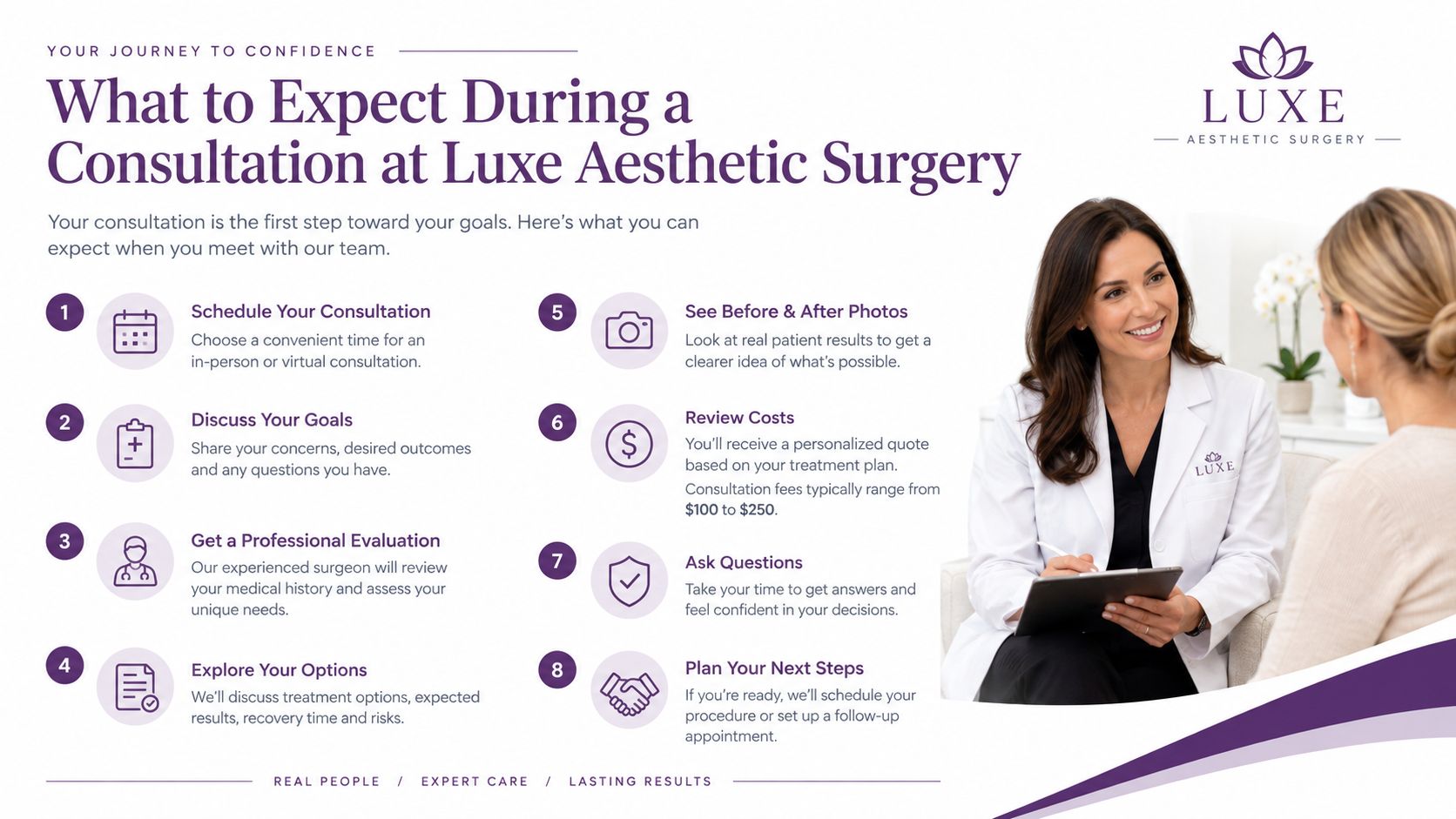
A useful consultation should feel like a clinical assessment, not a sales presentation. Dr. Haimesh Shah is the Medical Director of Luxe Aesthetic Surgery & Medical Spa and is described by the practice as a board-certified physician specializing in cosmetic surgery and phlebology. The consultation should translate your concern into an anatomical diagnosis and then determine whether treatment is appropriate.
The examination comes before the product
Expect an evaluation of facial asymmetry, skin thickness, muscle dynamics, tissue laxity, facial-hair distribution, prior procedures, and your preferred degree of visible change. If you're considering filler, the clinician should also discuss vascular risk factors, product selection, injection depth, and what would happen if a vascular complication were suspected.
The plan may be staged. Neuromodulation can be assessed before structural filler is added, or skin quality may be addressed before deciding whether surgery is necessary. A conservative sequence gives the clinician and patient a chance to judge balance rather than committing to every possible correction at the first visit.
Questions worth bringing with you
- What is causing the change I notice? Skin, muscle, fat, bone structure, and tissue descent require different treatments.
- What would you leave untreated? A good plan includes restraint.
- How will the treatment preserve my brow, cheek width, chin, jawline, and facial hair pattern?
- What are the likely short-term effects and meaningful risks?
- What is the backup plan if the result is insufficient or a complication occurs?
- How much maintenance should I realistically expect?
Luxe Aesthetic Surgery & Medical Spa offers surgical and nonsurgical facial options, including neuromodulators, dermal fillers, nonsurgical facelift approaches, PRP and microneedling, fat-transfer techniques, and skin-tightening treatments. The appropriate choice depends on your examination, health history, goals, and willingness to accept downtime.
Visit Luxe Aesthetic Surgery & Medical Spa to discuss facial rejuvenation options designed around your anatomy, masculine features, and desired level of change. Request a consultation so the team can help you compare injectables, skin tightening, eyelid surgery, and structural facial procedures with realistic expectations.