


Does CoolSculpting Actually Work? The Complete Truth About Fat Freezing
Feb-14-2025
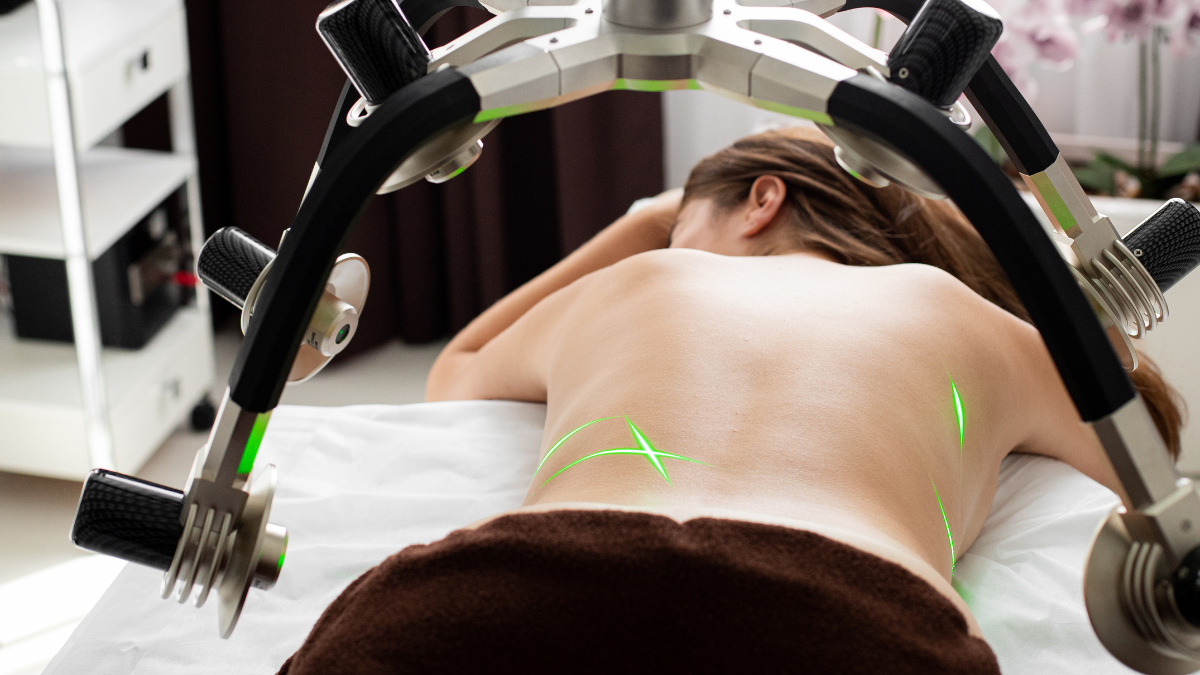
If you have ever pinched a stubborn pocket of belly fat or stared in the mirror at a persistent double chin, you have likely found yourself targeted by advertisements for CoolSculpting. The marketing promises sound almost like science fiction: lie back, freeze your fat away in under an hour, and return to work the same day with no surgery and no downtime.
But in a world filled with "miracle" weight-loss teas and heavily photoshopped before-and-after photos, a healthy dose of skepticism is natural. Does CoolSculpting actually work? The short, scientifically backed answer is: Yes, it works.However, the clinical definition of "working" and the average consumer's expectation of "working" are often two very different things.
To determine if this treatment is right for you, we have to strip away the marketing hype and look candidly at the biology of fat freezing, the ideal candidate profile, the realistic results, and the very real—though rare—risks involved.
The Science of Cold: What is Cryolipolysis?
CoolSculpting is the brand name for a medical procedure clinically known as cryolipolysis (cryo = cold, lipo = fat, lysis = destruction).
The technology was born from a surprisingly simple observation made by scientists at Harvard University. They noticed that children who frequently ate popsicles developed dimples in their cheeks. The scientists realized that the cold from the popsicles was freezing and destroying the fat cells in the cheeks without damaging the surrounding skin or muscle.
This happens because fat cells freeze at a much higher temperature than water-based cells (like skin, nerves, and muscle). By applying a precise, controlled cooling temperature to the body, a machine can effectively freeze the lipids inside fat cells without causing frostbite to the skin.
Once the fat cells are frozen, they undergo a process called apoptosis, or natural cell death. Over the next several weeks, your body’s lymphatic system recognizes these dead cells as waste, metabolizes them, and flushes them out of your body entirely.
Weight Loss vs. Fat Loss: A Crucial Distinction
The biggest misconception about CoolSculpting is that it is a weight-loss treatment. It is not. It is a body contouring treatment.
When you lose weight through diet and exercise, your fat cells do not disappear; they simply shrink like deflating balloons. If you gain weight again, those same cells expand.
CoolSculpting, on the other hand, permanently removes fat cells from the body. An adult body generally does not generate new fat cells. Therefore, once the treated cells are flushed out by your lymphatic system, they are gone forever.
However, CoolSculpting only removes about 20% to 25% of the fat cells in the targeted area per session. Because fat weighs very little, flushing out a localized 25% of fat cells will not significantly change the number on your bathroom scale. You will not drop three dress sizes from one session. What you will notice is a change in how your clothes fit and the contour of your silhouette.
Are You an Ideal Candidate?
Not everyone who wants CoolSculpting should get it. If you walk into a clinic and they do not evaluate your body type before taking your money, that is a massive red flag.
According to the American Society of Plastic Surgeons (ASPS), the ideal candidate for CoolSculpting is:
-
Near their target weight: You should ideally be within 10 to 20 pounds of your goal weight.
-
Dealing with "pinchable" fat: The machine uses a vacuum applicator to suck the fat into a cooling cup. If the fat is taut and cannot be pinched and pulled away from the muscle, it cannot be treated effectively.
-
Dealing with subcutaneous fat: This is the soft, squishy fat that sits just below the skin. CoolSculpting cannottreat visceral fat, which is the hard fat that sits deep inside the abdomen beneath the muscle wall.
If you have a BMI over 30, CoolSculpting will likely not yield noticeable results, and a reputable provider will advise you to focus on diet, exercise, or bariatric solutions before considering body contouring.
What to Expect: The Procedure and the Timeline
Understanding the physical experience and the timeline for results is key to managing your expectations.
During the Procedure
The treatment requires no anesthesia. A gel pad is placed over the target area to protect your skin, and the applicator is applied. You will feel an intense suction, followed by deep, aching cold.
For the first 5 to 10 minutes, the area can feel highly uncomfortable—stinging, tingling, and aching are common. However, because extreme cold is a natural anesthetic, the area will soon go entirely numb, and you can comfortably read, work on your laptop, or watch a movie for the remainder of the 35 to 60-minute cycle.
The Post-Treatment Massage
When the applicator is removed, the frozen fat looks like a solid, raised stick of butter under your skin. The provider must immediately massage this frozen lump for two minutes. This massage helps break down the crystallized fat cells, improving the efficacy of the treatment by up to 60%. Be warned: as the nerves unfreeze and blood rushes back into the area, this two-minute massage is notoriously uncomfortable.
The Waiting Game
Unlike liposuction, where you wake up with a flatter stomach, CoolSculpting requires intense patience. You will likely leave the clinic looking slightly swollen.
-
Weeks 1-3: You may experience numbness, bruising, itching, and swelling. You will not see results yet.
-
Weeks 3-4: Your body begins actively flushing the dead cells. You may start to see subtle changes.
-
Weeks 8-12: This is when the most dramatic results appear.
-
Up to 6 Months: Your body will continue to flush out the destroyed fat cells for up to half a year.
The Risks and "PAH": Having an Honest Conversation
Because it is non-invasive, CoolSculpting is generally heralded as incredibly safe. It is FDA-cleared for the treatment of visible fat bulges in the submental area (double chin), thighs, abdomen, flanks, bra fat, back fat, and underneath the buttocks.
Normal, temporary side effects include redness, swelling, bruising, skin sensitivity, and a lingering numbness that can last for a few weeks.
However, there is a rare but severe complication that every potential patient must be aware of: Paradoxical Adipose Hyperplasia (PAH).
PAH is a condition where the freezing process inadvertently triggers the fat cells to multiply and grow larger rather than die. Over the months following treatment, the targeted area hardens and expands into a distinct, firm, painless mass shaped exactly like the CoolSculpting applicator.
This condition gained widespread media attention when supermodel Linda Evangelista revealed she developed PAH after her treatments. It is important to know that PAH is not life-threatening, but it is highly distressing cosmetically. Furthermore, it will not go away on its own or with diet and exercise. The only way to correct PAH is through surgical liposuction.
While the manufacturer estimates the incidence of PAH at roughly 1 in 3,000 to 4,000 treatment cycles, some independent studies suggest it may be slightly higher. A candid conversation with your provider about the risks of PAH is an absolute necessity.
CoolSculpting vs. Liposuction: Making the Right Choice
For those torn between a non-invasive option and a surgical one, the choice usually comes down to downtime, cost, and the volume of fat you want removed.
-
Liposuction: This is a surgical procedure requiring anesthesia, incisions, and a significant recovery period (usually weeks of wearing compression garments). However, it allows a surgeon to remove up to 5 liters of fat in a single session and meticulously sculpt the body. The results are immediate (once swelling subsides) and highly dramatic.
-
CoolSculpting: This is a localized, non-surgical refinement. It removes a maximum of 25% of the fat in the suction cup. If you have a larger pocket of fat, you will likely need two or three CoolSculpting sessions on the exact same area, spaced months apart, to achieve a result similar to liposuction.
Is the Cost Worth It?
CoolSculpting is priced per "cycle" or applicator placement. A single cycle can range from $600 to $1,000 depending on your geographic location and the clinic's prestige.
Treating the lower abdomen usually requires at least two cycles (one on the left, one on the right). If you need two sessions to get your desired result, that is four cycles total, potentially costing upwards of $3,000 to $4,000.
For some patients, paying $3,500 to avoid surgery, anesthesia, and time off work is highly worth it. For others, spending that same amount on a single, definitive liposuction surgery makes more financial and aesthetic sense.
The Final Verdict
So, does CoolSculpting actually work? Yes, the science is sound, the technology is proven, and millions of patients have achieved excellent results. It successfully kills fat cells without a scalpel.
However, it is not a magic wand for an unhealthy lifestyle. If you undergo CoolSculpting and subsequently consume a caloric surplus, the remaining 75% of the fat cells in your abdomen will happily expand to store that energy, entirely erasing your expensive results.
The most satisfied CoolSculpting patients are those who view the procedure as the "finishing touch" on a healthy lifestyle—a targeted tool used to eliminate that last, stubborn genetic pocket of fat that simply refuses to respond to a disciplined diet and exercise regimen.








Luxe Team